Serene Aesthetics & Surgical

General Surgery

Comprehensive surgical care for a wide range of conditions, with an emphasis on careful evaluation, appropriate surgical planning, patient safety and structured recovery support.

Advanced Surgical Care
Minimally Invasive Options
Personalised Treatment
01

Gallbladder Stone Surgery

Surgical management of gallstones and gallbladder-related conditions after appropriate clinical assessment and diagnostic evaluation.

Gallbladder surgery and surgical care
Surgical Care

Gallstone & Gallbladder Care

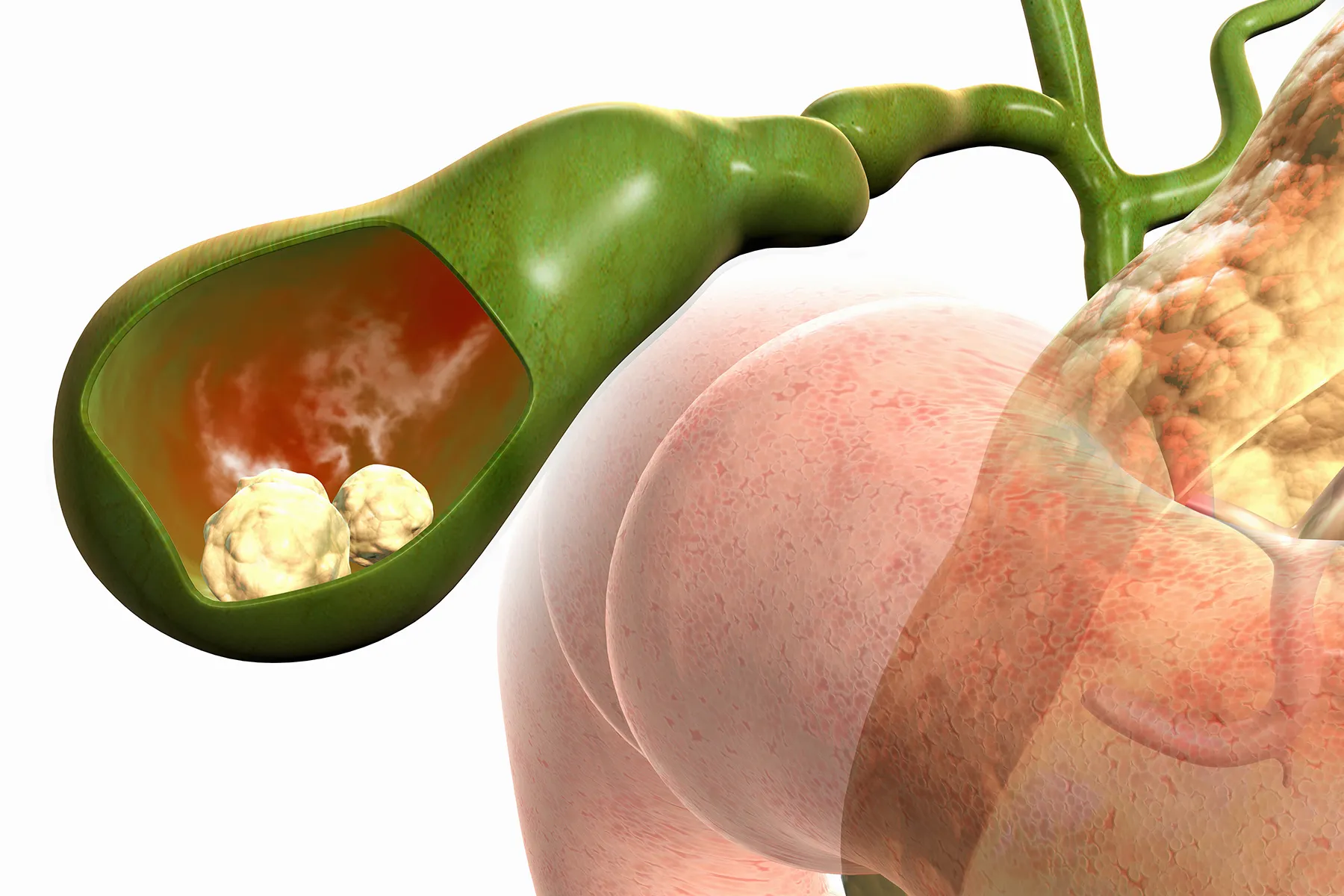
Gallstones can develop inside the gallbladder and may remain completely symptom-free or cause episodes of abdominal pain, nausea, digestive discomfort and other symptoms. When symptoms or complications occur, a surgeon evaluates the patient's medical history, examination findings and appropriate imaging before deciding whether surgery is indicated.

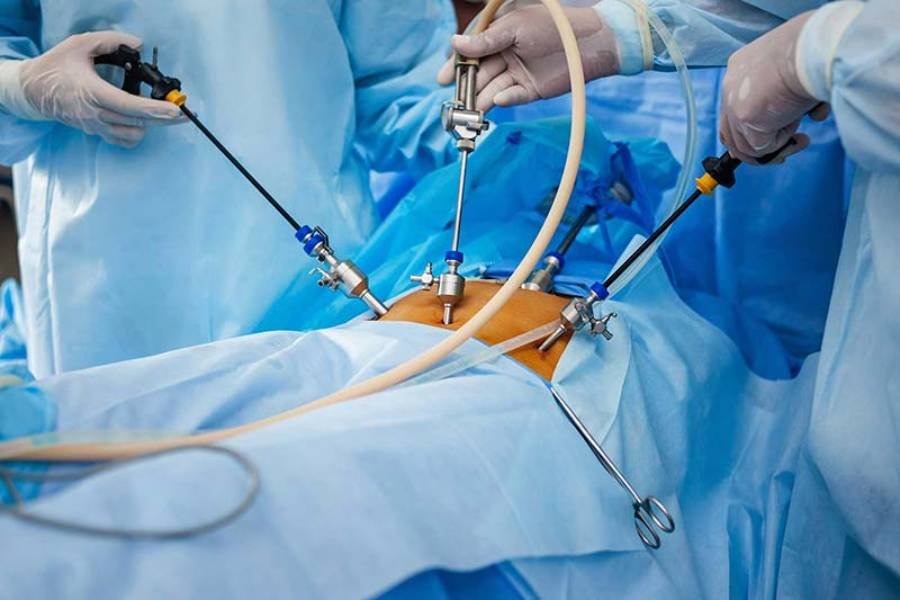
Gallbladder removal, known as cholecystectomy, is a commonly performed surgical procedure. Laparoscopic cholecystectomy uses small incisions and a camera to allow the surgeon to visualize and remove the gallbladder. The exact surgical approach depends on the patient's condition and the surgeon's assessment.

At Serene Aesthetics & Surgical, patients can undergo a structured evaluation so that the nature of the gallbladder problem and the appropriate treatment pathway can be discussed clearly before surgery.
Important aspects of care
Evaluation of gallstones and gallbladder symptoms
Appropriate ultrasound or diagnostic assessment
Assessment for surgical indications
Laparoscopic approach when clinically appropriate
Pre-operative surgical planning
Post-operative monitoring and recovery guidance
02

Laparoscopic Hernia Repair

Modern surgical management of selected abdominal wall and groin hernias using minimally invasive techniques when clinically suitable.

Laparoscopic surgical procedure
Minimally Invasive

Minimally Invasive Hernia Care

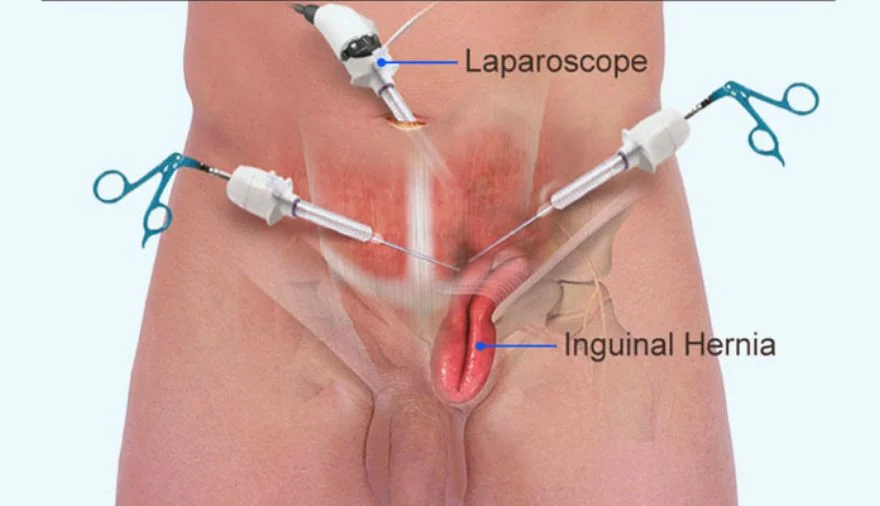
A hernia occurs when tissue pushes through a weakened area of the surrounding muscle or connective tissue. Depending on its location, size, symptoms and other clinical factors, a hernia may be managed conservatively in selected circumstances or may require surgical repair.

Laparoscopic hernia repair is a minimally invasive surgical technique in which the surgeon works through small incisions using a camera and specialised instruments. The specific technique and whether mesh reinforcement is appropriate are determined according to the type of hernia and individual patient factors.

Careful pre-operative assessment is important because different hernias require different surgical approaches. The surgical team also provides guidance regarding activity, wound care and follow-up after the procedure.

Hernia care may include
Clinical examination and diagnosis
Assessment of hernia location and size
Laparoscopic repair where appropriate
Open surgical repair when clinically indicated
Individualised surgical planning
Post-operative recovery guidance
03

Appendix / Appendicectomy

Surgical treatment for appendicitis and selected appendix conditions following timely clinical assessment.

Appendix surgery medical care
Surgical Treatment

Appendix Surgery

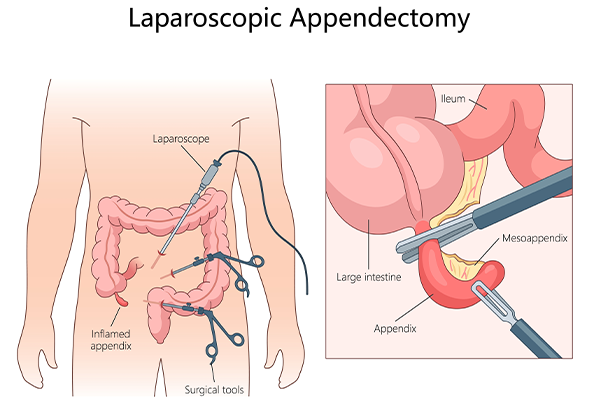
Appendicitis occurs when the appendix becomes inflamed and can require urgent medical assessment. Symptoms can vary, but abdominal pain, nausea, vomiting and fever may occur. Because appendicitis can progress to complications, patients with symptoms suggestive of appendicitis should receive prompt medical evaluation.

Appendicectomy is the surgical removal of the appendix. Depending on the clinical situation and surgical assessment, the appendix may be removed using a laparoscopic approach or through an open procedure.

The decision regarding timing and surgical technique depends on examination findings, investigations, the severity of the condition and the overall health of the patient.

Appendix care includes
Prompt assessment of abdominal symptoms
Clinical examination and appropriate investigations
Laparoscopic appendicectomy when appropriate
Open appendicectomy when clinically required
Management of associated infection or inflammation
Post-operative monitoring and follow-up
04

Laparotomy

Surgical access to the abdominal cavity for diagnosis, treatment or management of selected abdominal conditions.

Abdominal surgical care and laparotomy
Abdominal Surgery

Abdominal Surgical Care

Laparotomy is an open surgical procedure that provides access to the abdominal cavity through an incision in the abdominal wall. It may be performed for certain planned operations or urgent situations where direct access to abdominal organs is required.

Depending on the medical problem, laparotomy may allow the surgeon to examine abdominal structures, identify the source of a problem, obtain tissue samples when appropriate, or carry out a required surgical procedure.

The exact incision and surgical plan depend on the condition being treated and the individual clinical circumstances.

Laparotomy may be considered for
Abdominal conditions requiring open surgical access
Selected emergency abdominal conditions
Diagnostic abdominal exploration
Treatment of selected abdominal surgical problems
Tissue assessment or biopsy when indicated
Structured post-operative recovery care
05

Breast Surgery

Surgical evaluation and treatment of selected benign and malignant breast conditions according to individual needs.

Breast health consultation and surgical care
Breast Care

Individualised Breast Care

Breast-related concerns can include lumps, cysts, benign breast conditions, infections and other changes that require evaluation. Not every breast lump requires surgery, which is why appropriate clinical examination and diagnostic assessment are important before deciding on treatment.

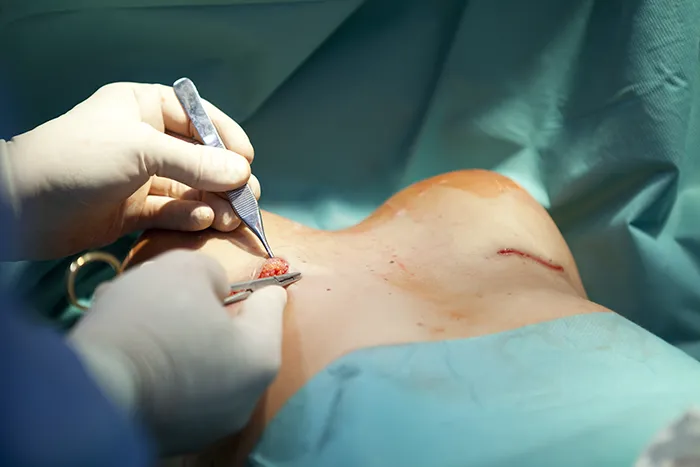
When surgery is indicated, the procedure depends on the diagnosis and the nature of the breast condition. Surgical options may include removal of a selected lump or other procedures appropriate to the diagnosis.

The aim of the consultation is to understand the concern, review relevant investigations and discuss an appropriate treatment pathway with the patient.

Breast surgical care may involve
Evaluation of breast lumps and changes
Clinical breast examination
Review of imaging and diagnostic reports
Surgical removal of selected breast lesions
Management of selected breast infections
Appropriate surgical follow-up
06

Laser Proctology

Modern management of selected anorectal conditions using minimally invasive or laser-assisted techniques when suitable.

Laser proctology and surgical treatment
Advanced Proctology

Advanced Proctology Care

Anorectal conditions such as piles, fissures, fistula-related problems and other disorders can cause discomfort, bleeding, swelling or difficulty with daily activities. Correct diagnosis is important because similar symptoms can have different causes.

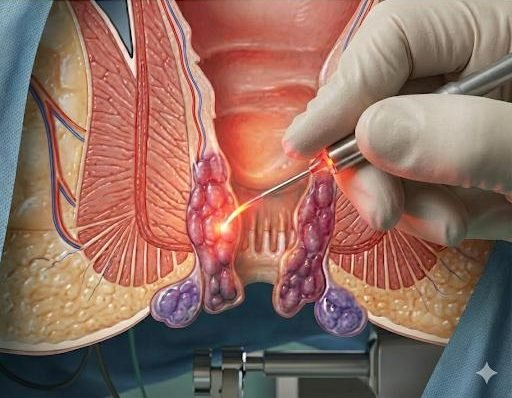
Laser-assisted or minimally invasive procedures may be considered for selected patients depending on the diagnosis, severity and clinical suitability.

Treatment planning may include conservative measures, medication, minimally invasive procedures or surgery depending on the individual condition.

Proctology care focuses on
Evaluation of anorectal symptoms
Diagnosis of piles, fissure and fistula-related conditions
Minimally invasive options when appropriate
Laser-assisted treatment for selected conditions
Individualised procedure selection
Recovery and follow-up guidance
07

Hydrocele Surgery

Surgical management of persistent or symptomatic hydrocele following appropriate clinical assessment.

Hydrocele surgical consultation
Surgical Consultation

Hydrocele Treatment

A hydrocele is a collection of fluid around the testicle that can result in swelling of the scrotum. Some hydroceles may be monitored, while persistent, enlarging or symptomatic cases may require surgical assessment.

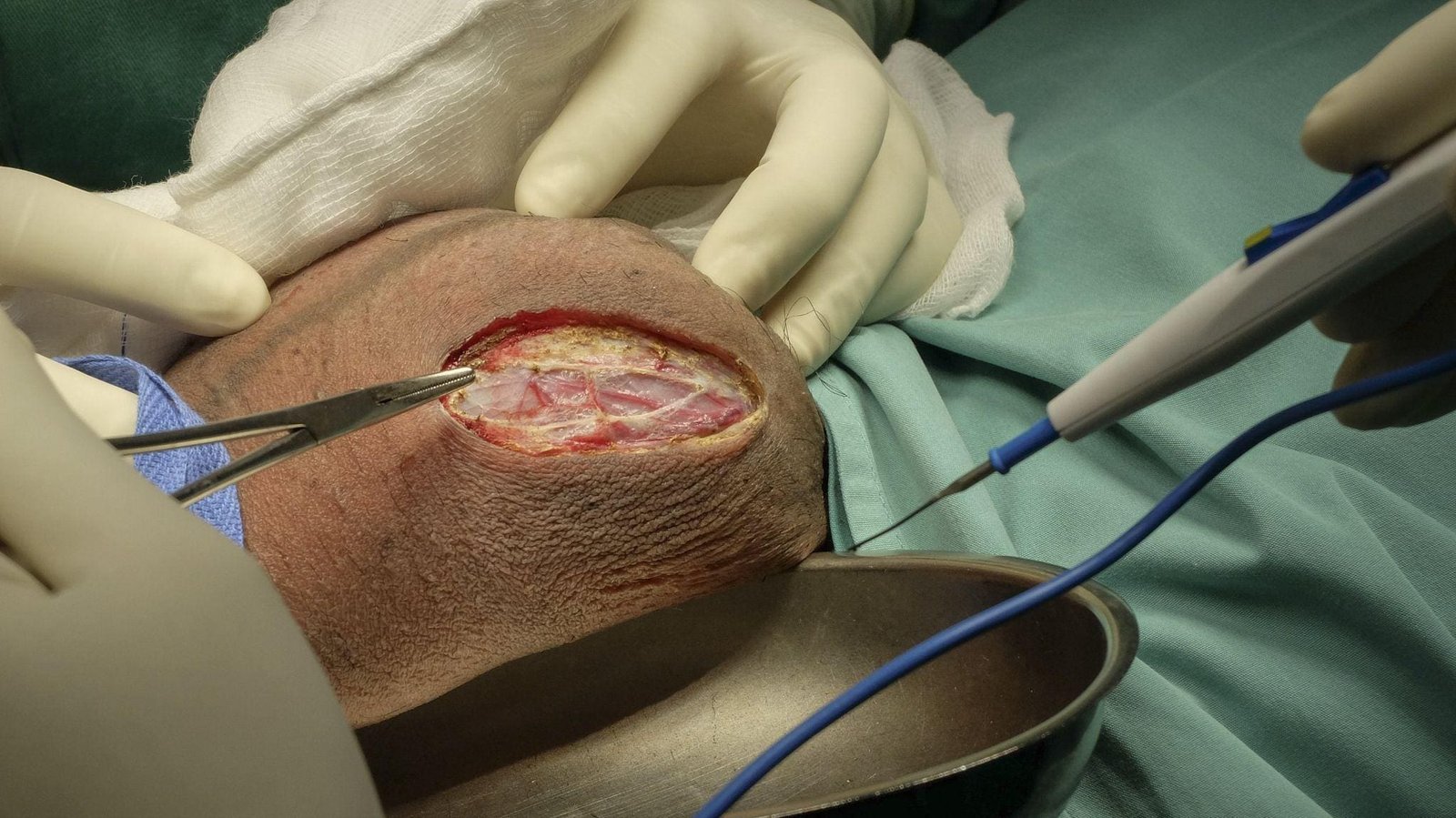
Hydrocele surgery is planned after examination and assessment of the swelling. The surgical approach is selected according to the patient's age, clinical findings, size of the hydrocele and other relevant factors.

A careful evaluation is important because scrotal swelling can have several possible causes.

Hydrocele care includes
Clinical evaluation of scrotal swelling
Assessment of symptoms and duration
Appropriate diagnostic evaluation when required
Surgical treatment for selected cases
Individualised surgical planning
Post-operative care and follow-up
08

Kidney Stone Treatment

Evaluation and treatment planning for kidney and urinary tract stones according to stone size, location, symptoms and individual clinical factors.

Kidney stone diagnostic and treatment care
Stone Care

Kidney & Urinary Stone Care

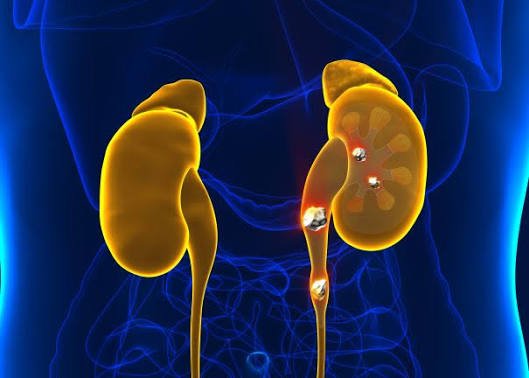
Kidney stones are hard deposits that can form within the urinary system. Depending on their size and location, stones may cause severe pain, urinary symptoms, blood in the urine, infection or blockage.

Treatment depends on the individual situation. Some smaller stones may pass naturally with appropriate medical management, while other stones may require a procedure for removal.

When an intervention is necessary, the choice of procedure depends on factors such as stone size, location, symptoms, urinary obstruction and the patient's overall health.

Stone treatment planning may include
Clinical evaluation of urinary symptoms
Ultrasound or other appropriate imaging
Assessment of stone size and location
Medical management for selected stones
Procedural or surgical treatment when required
Prevention and follow-up guidance
09

Cyst Treatment

Evaluation and appropriate treatment of selected skin, soft-tissue and other surgically manageable cysts.

Cyst evaluation and minor surgical treatment
Cyst Evaluation

Evaluation of Cysts & Lumps

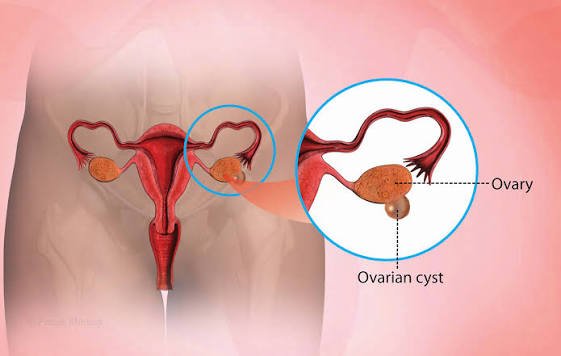
Cysts can occur in different parts of the body and may vary considerably in their appearance, size and cause. Many cysts are benign, but a new, growing, painful, infected or changing lump should be assessed by a qualified medical professional.

Depending on the type and location of a cyst, treatment may include observation, medication or surgical removal.

Proper evaluation before treatment helps distinguish a simple cyst from other types of lumps or soft-tissue conditions and allows an appropriate treatment plan to be developed.

Cyst treatment approach
Clinical assessment of the lump
Evaluation of size, location and symptoms
Assessment for infection or inflammation
Observation when clinically appropriate
Surgical excision for selected cysts
Follow-up after treatment
10

Prostate-Related Surgical Treatment

Evaluation and treatment planning for selected prostate-related conditions requiring surgical or procedural management.

Prostate health consultation and surgical care
Men's Health

Prostate Health & Surgical Care

Prostate-related urinary problems can affect men in different ways. Symptoms may include difficulty starting urination, weak urinary flow, increased frequency, urgency or difficulty completely emptying the bladder.

Assessment may involve a detailed medical history, physical examination, urine testing, imaging or other investigations depending on the symptoms.

When a prostate condition requires an intervention, the appropriate treatment depends on the diagnosis and individual clinical circumstances.

Prostate-related care may include
Evaluation of urinary symptoms
Clinical and diagnostic assessment
Evaluation of prostate enlargement
Assessment of urinary obstruction
Surgical or procedural treatment when indicated
Specialist referral where appropriate
Serene Aesthetics & Surgical

Your Health Deserves
Thoughtful Surgical Care

Every surgical condition is different. A proper consultation allows your symptoms, diagnosis and treatment options to be discussed carefully so that the next step can be planned according to your individual needs.

Book a Consultation
Personalised Evaluation
Modern Surgical Approach
Patient-Centred Care